Gum Disease Treatment in Sarasota
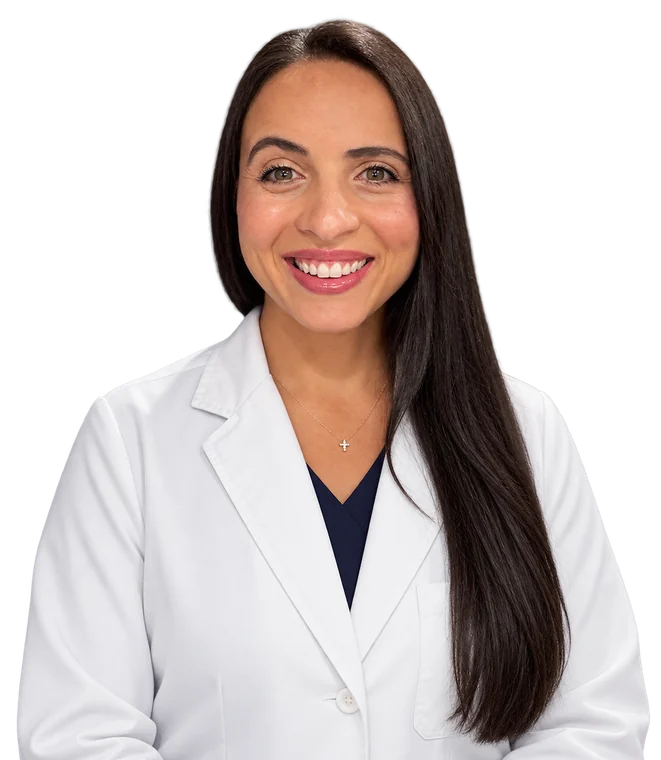
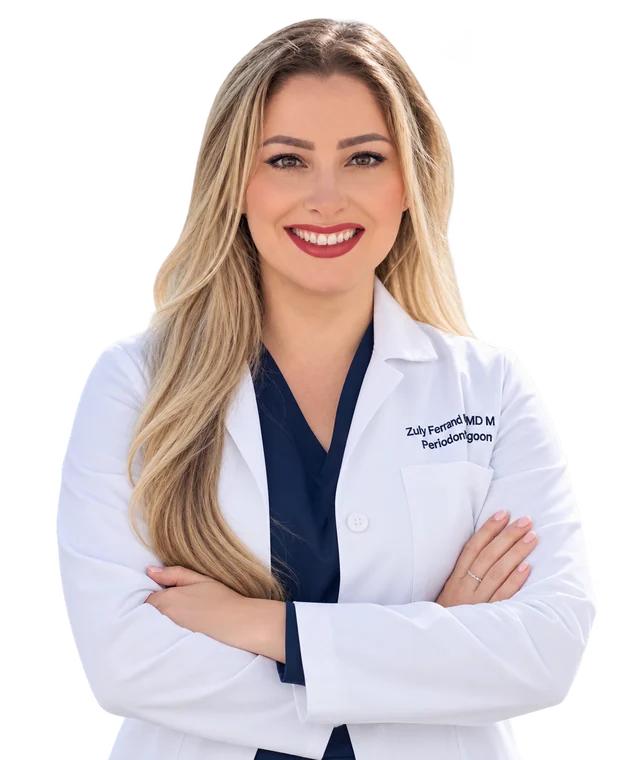
Healthy gums hold your teeth in place. We treat gum disease at every stage, from deep cleanings to specialist care with our in-house periodontist, Dr. Zuleidy Fernandez.
What It Is
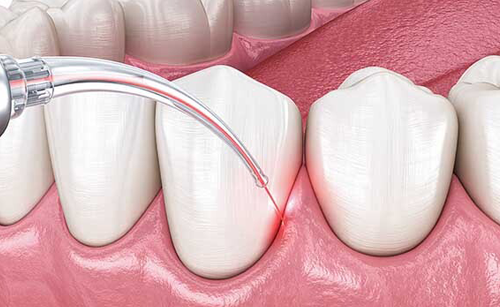
Gum disease, also called periodontal disease, is an infection of the tissues that support your teeth. It starts when plaque and tartar build up along and under the gumline. Early on, gums may look red and bleed easily. Over time the infection can damage the bone that holds teeth in place.
Treatment usually begins without surgery. Scaling and root planing, often called a deep cleaning, removes bacteria and tartar from below the gumline and smooths the root surfaces so the gums can heal. We use topical anesthetics to keep your gums comfortable.
After that, regular maintenance visits keep the bacteria under control. Advanced cases may need surgical care. Our periodontist, Dr. Zuleidy Fernandez, DDS, MS, is a gum specialist who sees patients here in our office, so your care stays with one team.
Who It Is For
- Your gums bleed when you brush or floss.
- Your gums are red, swollen or tender.
- Your teeth look longer because the gums are receding.
- You have bad breath that does not improve.
- A tooth feels loose or your bite has changed.
- You were told you have deep gum pockets or bone loss.
Benefits
- Protects your teeth. Treating gum infection helps preserve the bone and tissue that hold teeth in place.
- Healthier gums. Removing tartar from below the gumline gives the gums a chance to heal and firm up.
- Specialist on the team. Our periodontist provides advanced gum care in the same office.
- Comfort first. We numb the gums and work in sections so treatment is easier to manage.
- Ongoing support. Maintenance visits and home care coaching help keep the disease from returning.
How It Works
What to expect, step by step.
- Gum evaluation. We measure the pockets around each tooth and review X-rays to check for bone loss.
- Deep cleaning. Scaling and root planing removes bacteria and tartar from below the gumline, often one section of the mouth at a time.
- Re-check. After the gums have had time to heal, we measure again to see how they responded.
- Maintenance. Periodontal maintenance cleanings are scheduled at intervals that fit your needs.
- Specialist care if needed. If deeper problems remain, Dr. Fernandez will explain surgical options.
Cost and Insurance
Cost depends on the stage of gum disease, how many areas of the mouth need treatment and whether specialist or surgical care is involved. Maintenance visits are billed separately from the initial treatment. The $130 new patient special covers a routine cleaning only, so it does not apply when periodontal disease is present. We explain all fees before treatment.
We file claims with all PPO insurance and are in network with Delta Dental Premier. Many plans include benefits for periodontal treatment. Financing is available through CareCredit, Cherry, Wisetack and Proceed Finance.


Real Patients, Real Stories

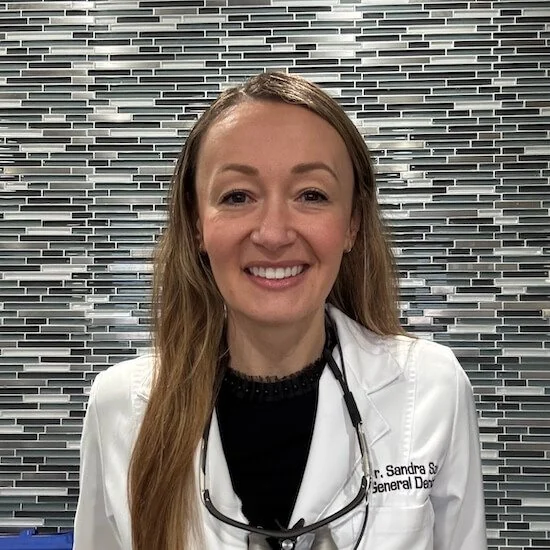
For my first interaction with the staff at Simply Smiles on the phone to my first visit. Everyone was kind, made me feel comfortable and patient with me. I haven't had the best experiences at dentist but Dr. Szef was amazing at easing my fears and concerns. She took the time to educate me about my care needs and showed completely and that's why I would recommend them to anyone. The whole staff is top Tier.

I was a first time patient, and if I could give Simply Smiles more than 5 stars, I would. I will definitely be back 😊 The staff was all amazing!! They were very informative and very thorough. I absolutely LOVED Hannah as my hygienist as well. Her bubbly personality made my day joyful and she makes you feel very comfortable through the entire process. Keep her! I’ve went to other practices to know she really goes above and beyond. Dr. Sandra Scef was very sweet and really cared for me as well, and at the end of the day, that’s what matters and stands out.

We had a dental emergency when my daughter's spacer broke, and Simply Smiles was fantastic. They got us in the same day , and the team was so kind and efficient with my 7-year-old. Chelcie and the staff explained everything clearly and fixed it perfectly with zero drama. Made a stressful situation so much easier—highly recommend them for anyone needing fast, caring Dental care in Sarasota/ Bradenton area!

Frequently Asked Questions
What causes gum disease?
It is caused by bacteria in plaque and tartar that collect at and below the gumline. Smoking, diabetes, some medications and family history can raise the risk.
Can gum disease be cured?
The earliest stage, gingivitis, can often be reversed with professional cleaning and good home care. More advanced disease can usually be controlled, but it needs ongoing maintenance.
Is a deep cleaning painful?
We use topical anesthetics to keep your gums comfortable during treatment. Some tenderness for a few days afterward is common.
How is a deep cleaning different from a regular cleaning?
A regular cleaning focuses on the teeth above the gumline. A deep cleaning reaches below the gumline to remove the bacteria and tartar that cause gum disease.
What does a periodontist do?
A periodontist is a dentist with additional specialty training in the gums and the bone around the teeth. Dr. Zuleidy Fernandez provides this care at Simply Smiles.
How often will I need maintenance visits?
It depends on how your gums respond. Many patients with a history of gum disease are seen more often than twice a year, and your dentist will recommend a schedule.
What happens if gum disease is not treated?
It tends to progress slowly and often without pain. Over time it may lead to gum recession, bone loss and loose teeth.