Root Canals in Sarasota
A root canal removes the infection inside a tooth so the pain can stop and the tooth can stay. We keep you numb and comfortable and explain each step before we begin.
What It Is
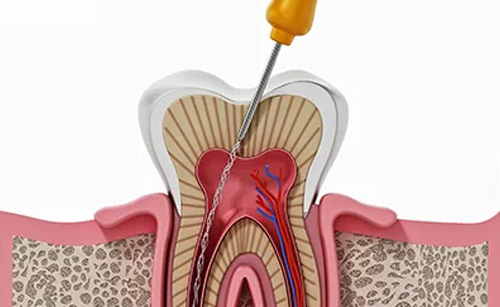
Inside every tooth is soft tissue called the pulp, which holds the nerve and blood supply. Deep decay, a crack or an injury can let bacteria in. The pulp becomes inflamed or infected, and that is often what causes a severe toothache or swelling.
Root canal treatment removes the damaged pulp. Your dentist makes a small opening in the tooth, cleans and rinses the canals, then fills them with a material called gutta-percha and a sealer to help keep bacteria out. The outside of your tooth stays in place.
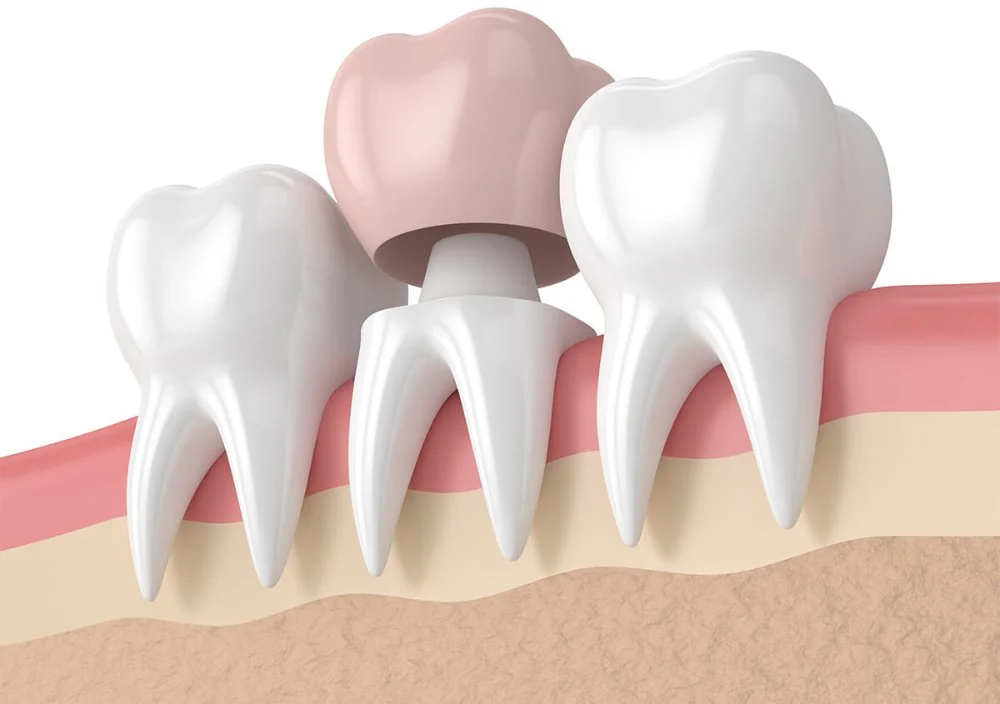
A treated tooth no longer has a blood supply, so it can become brittle over time. In most cases a crown is placed afterward to protect it from breaking. With a crown and good home care, the tooth can keep doing its job alongside the others.
Who It Is For
- You have a severe or throbbing toothache.
- Sensitivity to hot or cold lingers after the source is gone.
- Your gum is swollen or has a small pimple near a tooth.
- A tooth has darkened after an injury.
- It hurts to bite or chew on one tooth.
- An X-ray shows infection at the tip of a root.
Benefits
- Relief from pain. Removing the infected pulp treats the source of the toothache.
- Keeps your own tooth. Saving the tooth avoids an extraction and the need to replace it.
- Clears infection. Cleaning and sealing the canals helps stop bacteria from spreading.
- Normal chewing. Once restored with a crown, the tooth can function like the others.
- Often one visit. Many root canals are completed in a single appointment, though some need more.
How It Works
What to expect, step by step.
- Exam and X-ray. We confirm that the pulp is infected and that the tooth can be saved.
- Numbing. Local anesthesia is given so the tooth and the area around it are numb.
- Cleaning the canals. Through a small opening, your dentist removes the pulp and cleans and rinses each canal.
- Filling and sealing. The canals are filled with gutta-percha and a sealer, and the opening is closed.
- Crown. A crown is usually placed afterward to strengthen and protect the tooth.
Cost and Insurance
Cost depends mainly on which tooth is treated, since back teeth have more canals than front teeth, and on whether the tooth needs a build-up and crown afterward. Retreating a tooth that has had a root canal before can also affect the fee. We provide a written estimate first.
We file claims with all PPO insurance and are in network with Delta Dental Premier. Financing is available through CareCredit, Cherry, Wisetack and Proceed Finance. If another office recommended a root canal and you would like a second look, second opinions are free.




Real Patients, Real Stories



For my first interaction with the staff at Simply Smiles on the phone to my first visit. Everyone was kind, made me feel comfortable and patient with me. I haven't had the best experiences at dentist but Dr. Szef was amazing at easing my fears and concerns. She took the time to educate me about my care needs and showed completely and that's why I would recommend them to anyone. The whole staff is top Tier.

I was a first time patient, and if I could give Simply Smiles more than 5 stars, I would. I will definitely be back 😊 The staff was all amazing!! They were very informative and very thorough. I absolutely LOVED Hannah as my hygienist as well. Her bubbly personality made my day joyful and she makes you feel very comfortable through the entire process. Keep her! I’ve went to other practices to know she really goes above and beyond. Dr. Sandra Scef was very sweet and really cared for me as well, and at the end of the day, that’s what matters and stands out.

We had a dental emergency when my daughter's spacer broke, and Simply Smiles was fantastic. They got us in the same day , and the team was so kind and efficient with my 7-year-old. Chelcie and the staff explained everything clearly and fixed it perfectly with zero drama. Made a stressful situation so much easier—highly recommend them for anyone needing fast, caring Dental care in Sarasota/ Bradenton area!

Frequently Asked Questions
Does a root canal hurt?
The tooth is numbed with local anesthesia, so most patients compare it to having a filling. The treatment is meant to relieve the pain the infection is causing.
What if I am nervous about treatment?
Tell us before your visit. Nitrous oxide or sedation may be an option in some cases, and we will go at a pace that works for you.
How many visits will I need?
Many root canals are finished in one visit. Some teeth need more than one, and the crown is placed at a separate appointment.
Why do I need a crown afterward?
A tooth that has had a root canal can become brittle. A crown covers it and helps protect it from cracking when you chew.
Will I be sore afterward?
Some tenderness for a few days is common, especially when biting. Call us if you notice swelling, a bump on the gum or pain that gets worse.
What if the tooth cannot be saved?
If a tooth is too damaged, we will explain why and talk through replacement options such as a dental implant or a bridge. Some complex cases may be referred to a root canal specialist.
Can I just take antibiotics instead?
Antibiotics may calm an infection for a while, but they do not remove the damaged pulp inside the tooth. The problem usually returns without treatment.