It is easy to put off a dental visit when nothing hurts. The trouble is that many dental problems cause no pain in their early stages. By the time a tooth aches, the fix is often bigger than it needed to be. Routine visits are designed to find problems while they are small and to keep healthy mouths healthy.
What Happens at a Routine Visit
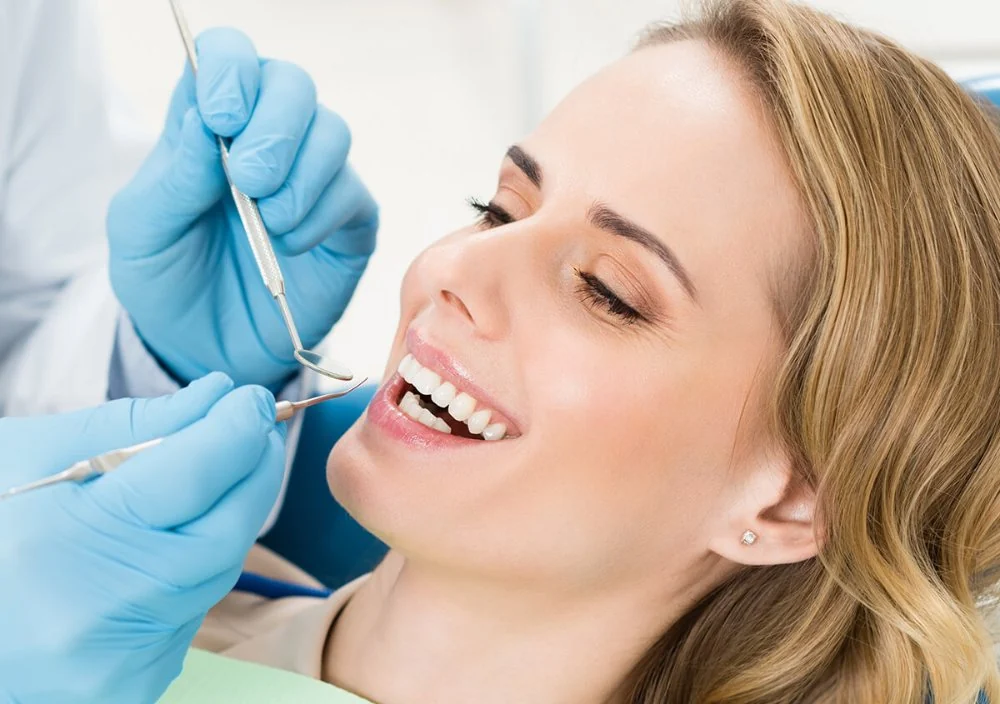
A checkup has two main parts: a professional cleaning and an exam.
- Cleaning. A hygienist removes plaque and hardened tartar from places a toothbrush and floss do not fully reach, then polishes the teeth. Tartar cannot be removed at home.
- Gum check. The spaces between your teeth and gums are measured to look for early signs of gum disease.
- Exam. Your dentist checks each tooth, your existing fillings and crowns, your bite and the soft tissues of your mouth.
- X-rays when needed. X-rays show areas that cannot be seen directly, such as between teeth and below the gumline. How often they are taken depends on your history and risk.
Catching Problems While They Are Small
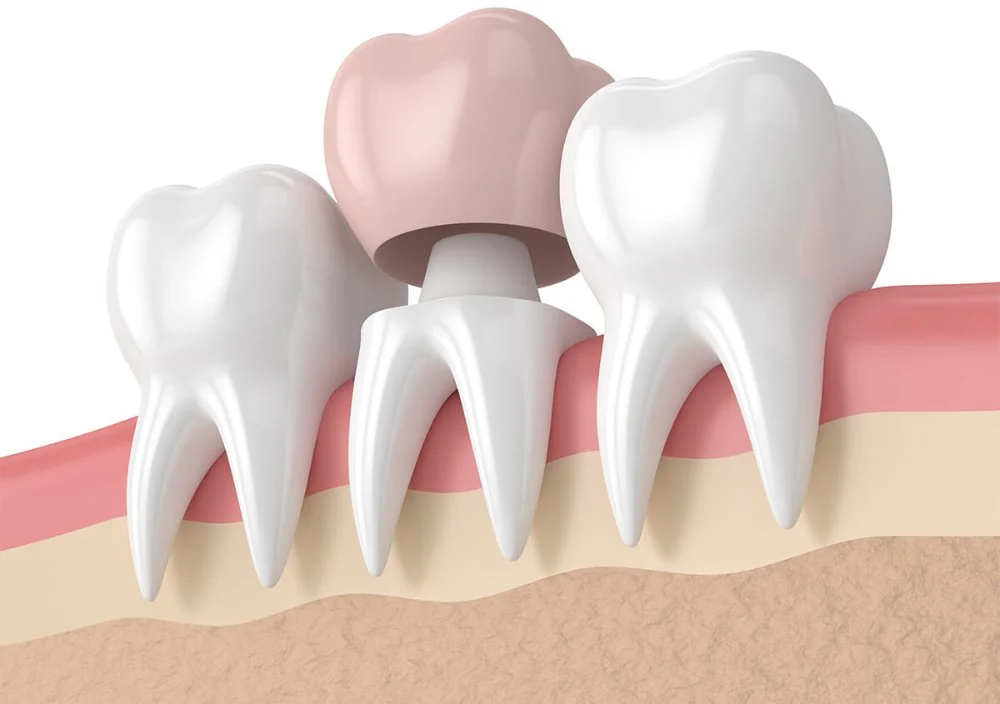
Tooth decay usually starts quietly. A small cavity found early can often be treated with a simple filling. Left alone, decay can reach the nerve of the tooth, and treatment then may involve a root canal, a crown or removal of the tooth.
The same pattern applies to other issues. A hairline crack, a worn filling or signs of grinding are much easier to manage when they are noticed early. Regular visits give your dentist a record to compare against, so small changes stand out.
Protecting Your Gums
Gum disease begins with plaque along the gumline. In its early stage, called gingivitis, the gums may look red or bleed when you brush. At this point it can often be reversed with professional cleanings and better home care.
If it progresses to periodontitis, the bone that supports the teeth can be damaged, and that damage is generally not reversible. Over time, this can lead to loose teeth or tooth loss. Because early gum disease rarely hurts, many people do not know they have it until a dental professional points it out.
The Link Between Your Mouth and Your Body
Your mouth is part of your overall health. Research has found associations between gum disease and conditions such as diabetes and heart disease. Scientists are still studying how these conditions are related, and an association does not prove that one causes the other. The connection with diabetes appears to run in both directions, since gum disease can be harder to control when blood sugar is high.
A dental exam can also turn up signs of wider health concerns. Dry mouth may be a side effect of medication. Worn enamel can point to acid reflux or nighttime grinding. During the exam, your dentist also looks at your tongue, cheeks and throat for unusual spots or sores, which is a basic screening for oral cancer. If something needs a closer look, you will be referred to the right provider.
Sharing Your Health History
Tell your dental team about new diagnoses, medications and pregnancy. These details can change how your care is planned and what your dentist watches for.
How Often to Come In
Many people do well with a visit about every six months. That is a general guide, not a rule. Patients with a history of gum disease, frequent cavities, diabetes or tobacco use may benefit from more frequent visits. Your dentist and hygienist can recommend a schedule based on your own risk.
Between visits, the basics still do most of the work.
- Brush twice a day with fluoride toothpaste.
- Clean between your teeth once a day.
- Limit sugary snacks and drinks, especially between meals.
- Call your dentist if you notice bleeding gums, a sore that does not heal or a tooth that feels different.
Getting Back on Track
If it has been a while since your last visit, you are not alone, and there is no need to feel embarrassed. A good dental team starts from where you are today and builds a plan from there.
New patients at Simply Smiles in Sarasota can begin with our $130 new patient special, which includes an exam, full-mouth X-rays and a cleaning in the absence of periodontal disease. Call (941) 877-5262 to schedule your visit.