Porcelain Veneers in Sarasota
Porcelain veneers cover the front of your teeth with thin, custom-made shells. They can change the color, shape and spacing of your smile in just a few visits.
What It Is
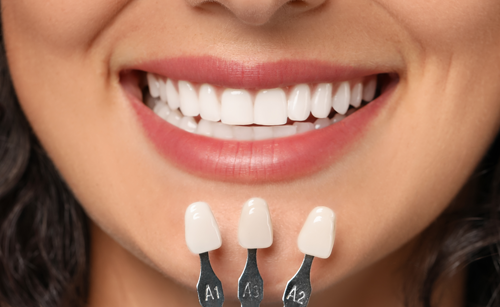
A veneer is a very thin shell of porcelain that is bonded to the front of a tooth. Each one is made for a specific tooth, so the shape, size and shade are chosen to suit your face and the teeth around it. Veneers are most often placed on the front teeth that show when you smile.
Veneers can cover several concerns at once. They are used for teeth that are stained beyond what whitening can fix, worn down, slightly chipped or cracked, a little out of line, or separated by small gaps. Your dentist will look at your teeth and bite and tell you whether veneers are a good fit.
Treatment usually takes two or three visits. A small amount of enamel is removed so the veneer sits flush with your gumline. A dental lab then makes your veneers from impressions of your teeth, and you wear temporaries until they are ready.
Who It Is For
- Deep stains or discoloration that whitening has not improved
- Small chips or cracks in your front teeth
- Front teeth that look worn down or uneven
- Small gaps you would like closed
- Teeth that are slightly out of position
- Healthy teeth and gums, with no untreated decay
Benefits
- Several fixes in one treatment. Veneers can change color, shape, length and spacing at the same time.
- Made for your smile. Each veneer is crafted by a dental lab from impressions of your own teeth.
- A natural look. Porcelain reflects light much like enamel, so veneers blend in with the teeth around them.
- Stain resistant. Porcelain resists staining from coffee, tea and wine better than natural enamel does.
- You see it before it is final. A try-in visit lets you and your dentist check the fit and look before bonding.
How It Works
What to expect, step by step.
- Consultation. We examine your teeth, talk about what you want to change and confirm that veneers suit you.
- Preparation. With the area numbed, your dentist removes a thin layer of enamel and takes detailed impressions for the lab.
- Temporaries. You wear temporary veneers to protect your teeth while the lab makes the final ones.
- Try-in. We place the veneers without bonding them so you can check the color, shape and fit. Adjustments go back to the lab if needed.
- Bonding. The tooth surface is lightly etched and each veneer is permanently cemented in place.
Cost and Insurance
The cost of veneers depends mainly on how many teeth are treated and on any care needed first, such as fillings or gum treatment. You will receive a written treatment plan with the full fee before any work begins.
Insurance usually treats veneers as cosmetic, so coverage is limited. We file claims with all PPO plans and are in network with Delta Dental Premier. Financing is available through CareCredit, Cherry, Wisetack and Proceed Finance. If veneers are part of a larger plan, ask about our smile makeover offer of 10% off with a free consultation.




Real Patients, Real Stories


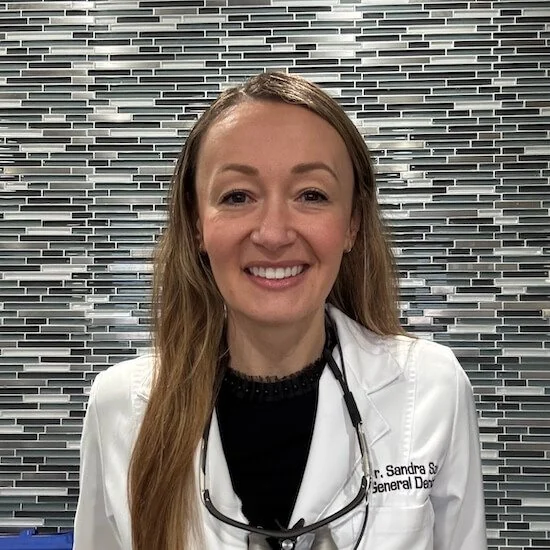
For my first interaction with the staff at Simply Smiles on the phone to my first visit. Everyone was kind, made me feel comfortable and patient with me. I haven't had the best experiences at dentist but Dr. Szef was amazing at easing my fears and concerns. She took the time to educate me about my care needs and showed completely and that's why I would recommend them to anyone. The whole staff is top Tier.

I was a first time patient, and if I could give Simply Smiles more than 5 stars, I would. I will definitely be back 😊 The staff was all amazing!! They were very informative and very thorough. I absolutely LOVED Hannah as my hygienist as well. Her bubbly personality made my day joyful and she makes you feel very comfortable through the entire process. Keep her! I’ve went to other practices to know she really goes above and beyond. Dr. Sandra Scef was very sweet and really cared for me as well, and at the end of the day, that’s what matters and stands out.

We had a dental emergency when my daughter's spacer broke, and Simply Smiles was fantastic. They got us in the same day , and the team was so kind and efficient with my 7-year-old. Chelcie and the staff explained everything clearly and fixed it perfectly with zero drama. Made a stressful situation so much easier—highly recommend them for anyone needing fast, caring Dental care in Sarasota/ Bradenton area!

Frequently Asked Questions
How many visits do veneers take?
Most patients need two or three visits: a consultation, a preparation visit and a visit to try in and bond the final veneers. An extra visit may be needed if the lab makes adjustments.
Does getting veneers hurt?
The teeth are numbed with local anesthetic for the preparation visit, so most patients are comfortable. Some sensitivity afterward is normal and usually settles.
Is the process reversible?
No. A thin layer of enamel is removed to make room for the veneer, so the tooth will always need a veneer or similar covering.
How long do veneers last?
Veneers are made to last for many years, but they are not permanent. How long yours last depends on your bite, habits like grinding, and how well you care for them.
How do I care for veneers?
Brush and floss as you normally would and keep up with regular checkups and cleanings. Avoid biting hard objects such as ice or pens. If you grind your teeth, ask us about a night guard.
Can veneers fix crooked teeth?
Veneers can make slightly misaligned teeth look straight. For larger alignment or bite problems, clear aligners may be the better choice, sometimes followed by veneers.
How many veneers will I need?
It depends on your smile and your goals. Some patients treat one or two teeth, while others treat every tooth that shows when they smile.